- info@madekasafaris.com
- +255 0692980072
- Ngaramtoni, Arusha, Tanzania


Standing at 5,895 meters above sea level, Mount Kilimanjaro is Africa’s highest mountain and one of the world’s most recognized trekking destinations.
The journey to the summit takes climbers through a remarkable range of landscapes, from tropical rainforest to alpine desert and the high-altitude environment near the summit.
There are several established routes, each offering a different experience in terms of scenery, duration and difficulty.
Choosing the right route is important. Factors such as trekking experience, fitness, available time and acclimatisation opportunities should all be considered.


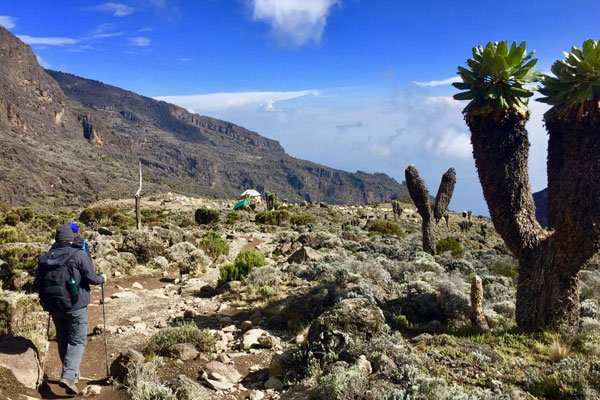
Explore the diverse landscapes of Mount Kilimanjaro, from lush rainforests and rolling moorlands to rugged volcanic terrain and breathtaking alpine scenery. Along the trails, discover panoramic valleys, dramatic cliffs, and sparkling mountain streams. Each route offers unique photo opportunities and spectacular views, allowing trekkers to connect with nature while experiencing the thrill of the climb.
Lorem ipsum dolor sit amet, consectetur adipiscing elit. Ut elit tellus, luctus nec ullamcorper mattis, pulvinar dapibus leo.
Lorem ipsum dolor sit amet, consectetur adipiscing elit. Ut elit tellus, luctus nec ullamcorper mattis, pulvinar dapibus leo.
Lorem ipsum dolor sit amet, consectetur adipiscing elit. Ut elit tellus, luctus nec ullamcorper mattis, pulvinar dapibus leo.
Lorem ipsum dolor sit amet, consectetur adipiscing elit. Ut elit tellus, luctus nec ullamcorper mattis, pulvinar dapibus leo.

Climbing Mount Kilimanjaro is a challenging but achievable adventure for many people with good preparation and determination.
Mount Kilimanjaro climbing is a challenging yet rewarding trekking experience that generally requires no ropes or advanced mountaineering skills. However, reaching the 5,895-meter summit demands physical endurance due to long hiking days, steep trails, cold weather, and high-altitude conditions.
The best time for Mount Kilimanjaro climbing is during Tanzania’s dry seasons: January to March and June to October. These months offer clearer skies, lower rainfall, and better trail conditions. January to March is slightly colder with fewer crowds, while June to October provides stable weather and excellent summit visibility. Although climbing is possible year-round, the rainy seasons (April to May and November) bring muddy trails and reduced visibility. Choosing the right season significantly increases comfort, safety, and overall summit success, ensuring an unforgettable trekking experience.
Several routes lead to the summit of Mount Kilimanjaro, each offering unique scenery and difficulty levels. The Lemosho Route is highly recommended for its gradual acclimatization and high success rates. The Machame Route is popular for its scenic beauty and moderate challenge. The Marangu Route provides hut accommodations instead of camping. Longer routes allow better altitude adjustment, increasing the chances of reaching Uhuru Peak. The best route depends on fitness level, time availability, and personal preference. Consulting experienced tour operators ensures the most suitable choice.
Having the right equipment is essential for a safe and comfortable Mount Kilimanjaro climbing adventure. Pack layered clothing to adapt to changing temperatures, including thermal base layers, an insulated jacket, waterproof outerwear, warm gloves, and a hat. Sturdy hiking boots, moisture-wicking socks, and trekking poles help improve comfort and stability on the trail. A warm sleeping bag suitable for sub-zero temperatures is also important, especially for summit night. Other essentials include sunscreen, sunglasses, a reusable water bottle or hydration system, a headlamp, and personal medications. Depending on your tour package, tents, meals, and other camping equipment may be provided by your operator.